

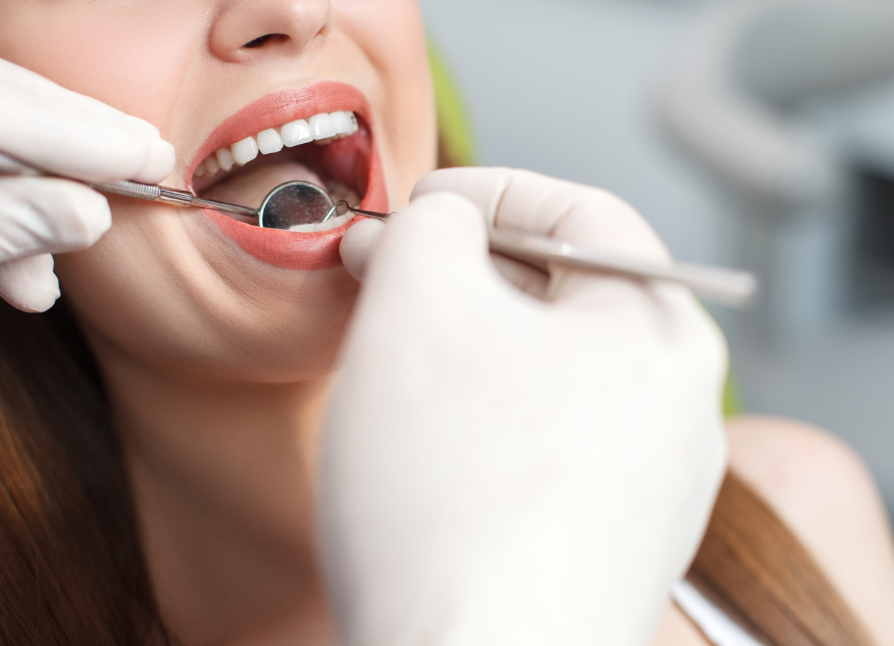
April is Oral Cancer Awareness Month, a time dedicated to educating patients about a disease that often goes unnoticed until it reaches more advanced stages. Oral cancer can affect the lips, tongue, cheeks, throat, and other areas of the mouth, and early detection plays a major role in successful treatment.
One of the biggest challenges with oral cancer is that its early symptoms can be subtle or painless. This is why routine dental visits are so important. A trained dentist doesn’t just check your teeth—they also examine your soft tissues for any abnormalities that could signal a problem.
Common Risk Factors to Be Aware Of
Understanding your risk can help you stay proactive about your health. While oral cancer can affect anyone, certain factors can increase your likelihood of developing it.
Tobacco use—whether smoking or chewing—is one of the leading causes. Heavy alcohol consumption is another major contributor, especially when combined with tobacco. In recent years, the human papillomavirus (HPV), particularly HPV-16, has also been linked to cancers of the throat and mouth.
Additional risk factors include prolonged sun exposure (which can affect the lips), a weakened immune system, and a history of oral cancer. Age can also play a role, though cases among younger individuals have become more common due to HPV-related cancers.
Early Signs and Symptoms
Because oral cancer can develop quietly, it’s important to recognize potential warning signs. These may include a persistent sore that doesn’t heal, red or white patches inside the mouth, or unusual lumps or thickened areas.
You might also notice difficulty swallowing, chronic sore throat, numbness, or a change in how your teeth fit together. Hoarseness or a feeling that something is stuck in your throat can also be symptoms worth checking out.
If any of these issues last longer than two weeks, it’s best to schedule an evaluation. Catching oral cancer early significantly improves treatment outcomes.
The Role of Routine Dental Checkups
Regular dental visits are one of your best defenses against oral cancer. During a routine exam, your dentist performs a visual and physical screening of your mouth, checking for any suspicious changes in the tissues.
These screenings are quick, painless, and often included as part of your standard checkup. For patients in Mobile, staying consistent with preventive care makes it easier to detect problems early—sometimes before you even notice symptoms yourself.
Even if you wear dentures or have no natural teeth, these exams remain just as important. Oral cancer affects soft tissues, not just teeth.
What You Can Do to Lower Your Risk
While not all cases of oral cancer are preventable, there are steps you can take to reduce your risk. Avoiding tobacco products and limiting alcohol intake are two of the most effective changes you can make.
Practicing good oral hygiene and maintaining a healthy diet rich in fruits and vegetables can also support overall oral health. Protecting your lips with SPF when outdoors is another simple but helpful habit.
Finally, don’t skip your dental visits. Preventive care isn’t just about keeping your smile looking great—it’s about protecting your overall health. Staying informed and proactive can make all the difference when it comes to early detection and peace of mind.
About the Practice
At Parker Dental & Orthodontics, our patients receive comprehensive, prevention-focused dental care in a friendly and modern setting. The doctors and team are committed to helping individuals and families maintain healthy smiles through routine checkups, patient education, and advanced diagnostic tools. With a strong emphasis on early detection—including oral cancer screenings—the practice strives to provide thorough, compassionate care tailored to each patient’s needs.
Call us at (215) 643–2341 or schedule your appointment online.